How to Vet a Windshield Wiper Blade Manufacturer Before Your First Bulk Order
A five-layer verification checklist for importers and private-label buyers: legal identity, certifications, third-party footprint, samples, and payment terms — with a printable supplier vetting checklist and FAQ.

Short answer: Before you place a bulk wiper blade order, verify the factory on five levels — legal identity, certifications, product evidence, sample quality, and payment terms — and never rely on the supplier's own website alone. Cross-check every claim against independent sources (certification bodies, directory records, freight quotes, and third-party inspectors) before sending a deposit.
This guide walks importers, private-label sellers, and distributors through a repeatable vetting checklist. It uses windshield wiper blade factories as the example because that is the category we know best, but the method applies to any automotive aftermarket component sourced from Asia.
Why Supplier Vetting Decides Your Margin (and Your Brand)
A single bad factory can cost you more than the order value: a container of wiper blades with warped rubber strips, wrong connectors, or missing compliance markings cannot be resold under your label, and returns eat the margin of two good orders. The U.S. Federal Trade Commission warns that fake and substandard automotive parts are a known channel for import fraud, and the U.S. International Trade Commission publishes import data you can use to sanity-check a supplier's export history. In other words: the verification tools are public — you just have to use them in the right order.
Step 1. Verify the Legal Identity Behind the Domain
Start with who owns the company, not the name of the salesperson.
Step 2. Verify Certifications Against the Issuing Bodies
Certifications only count if they exist at the issuing body and cover the products you are buying.
| Claim | What to verify | Where |
|---|---|---|
| ISO 9001 | Certificate number, scope, validity | Issuing body's online register |
| CE marking | Correct directive for the product category | EU official harmonised-standard database |
| Wiper performance compliance | Test report, not just a logo | Test lab or manufacturer test report |
| Export record to your market | Customs and shipment history | USITC import data, forwarder records |
Do not accept a PDF of a certificate as proof. Take the certificate number and look it up at the registrar. For wiper blades, ask which standard the product was tested against (for example SAE J903 for the U.S. market) and request the actual test report, not the marketing slide.
Step 3. Check Where the Factory Actually Appears (and Where It Doesn't)
This step is cheap and surprisingly predictive.
Step 4. Order Samples and Test Them Like a Customer
Never skip samples, and never accept a "sample" that arrives with no reference to the bulk specification.
Step 5. Verify MOQ, Lead Time, and Payment Terms in Writing
Commercial terms are the final filter. Real factories quote ranges that reflect their actual production schedule; middlemen quote anything.
Step 6. Run a Small First Order Before Scaling
The most reliable vetting method is a paid trial: one MOQ, one SKU, your own label, your own inspection. Measure what actually happens — on-time shipment, paperwork accuracy, product consistency against the approved sample — and only then scale the SKU range and volume.
Supplier Vetting Checklist (Printable)
FAQ: Wiper Blade Supplier Verification Questions Buyers Actually Ask
How do I know a wiper blade factory is real and not a trading company?
Verify the business license against the registered company, do a live video plant tour, check that the sample ships from the factory address, and confirm the company has traceable directory and export footprints. Traders can be legitimate partners, but you should know you are dealing with one.
Which certifications should a wiper blade manufacturer have?
ISO 9001 for quality management is the baseline. For export to the EU, check CE marking against the correct product directive; for the U.S. market, ask which performance standard the blade was tested against (for example SAE J903) and request the actual test report.
What is a reasonable MOQ for wiper blades from a Chinese factory?
It varies by model, but a genuine manufacturer typically requires a few hundred pieces per size or model for standard blades and more for custom-labeled or tooled products. An unusually low "any quantity" MOQ usually means you are talking to a trader.
How long does a typical OEM wiper blade order take?
For a standard beam or hybrid blade with your label, two to four weeks of production lead time is common after sample approval, plus shipping. Custom tooling or unique packaging adds time — confirm the schedule in writing before paying the deposit.
Should I use a pre-shipment inspection for my first order?
Yes. A third-party inspection before the balance payment protects you on quantity, quality, and packaging. It typically costs a small fraction of the container value and is the strongest lever you have on a first order.
What payment terms are standard for first-time buyers?
A 30% deposit with the balance against the Bill of Lading copy, or a Letter of Credit for larger amounts. Avoid 100% advance payments and payments to personal accounts.
Do certifications like ISO 9001 guarantee wiper blade quality?
No — they show the factory runs a certified quality system, which improves the odds, but they do not guarantee a specific blade performs well on your target vehicles. Test samples against your own specification and your customers' vehicles before scaling.
The Bottom Line
Vetting a wiper blade manufacturer is a five-layer process: legal identity, verifiable certifications, third-party footprint, physical samples, and written commercial terms — followed by a paid trial order with independent inspection. Every layer uses public or low-cost evidence, and together they remove most of the risk from your first bulk order.
Note on sources: this guide references public verification channels including the U.S. Federal Trade Commission's business guidance on import fraud, the U.S. International Trade Commission's import data, ISO and CE registrars, and standard third-party inspection practice. Check current guidance at ftc.gov and usitc.gov before relying on specific rules, because import requirements change.
About the Author: This guide was written by the Lelion Technical Team at Ningbo Zhenhai Bowang Autoparts Co., Ltd. We are an ISO 9001 and CE-certified wiper blade manufacturer, and we publish sourcing guides like this because verified, informed buyers are the customers we want. For questions or samples, contact our export team.

Want to Learn More About Our Products?
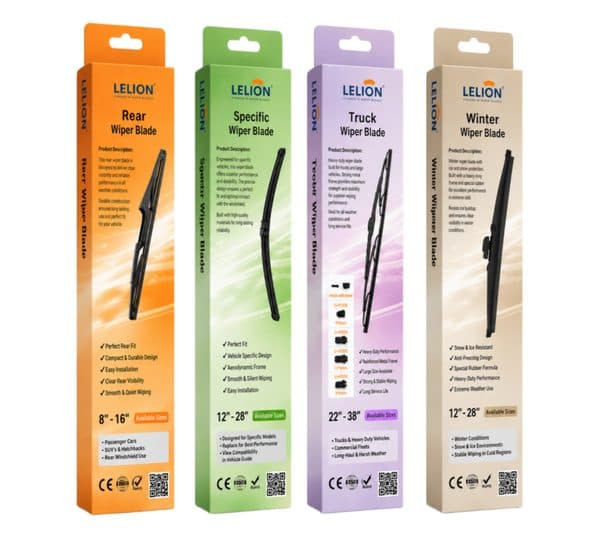
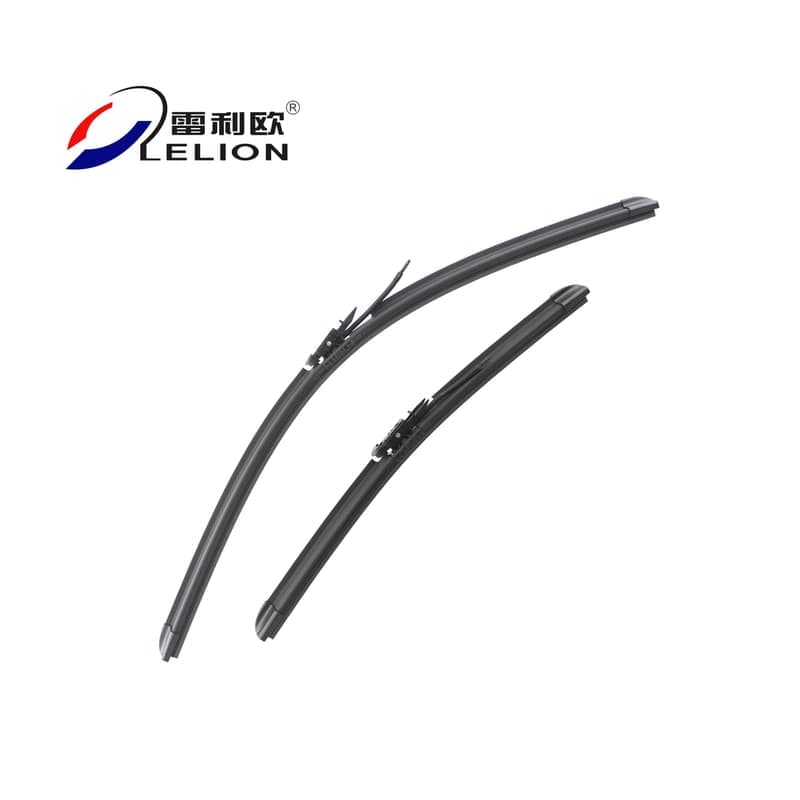
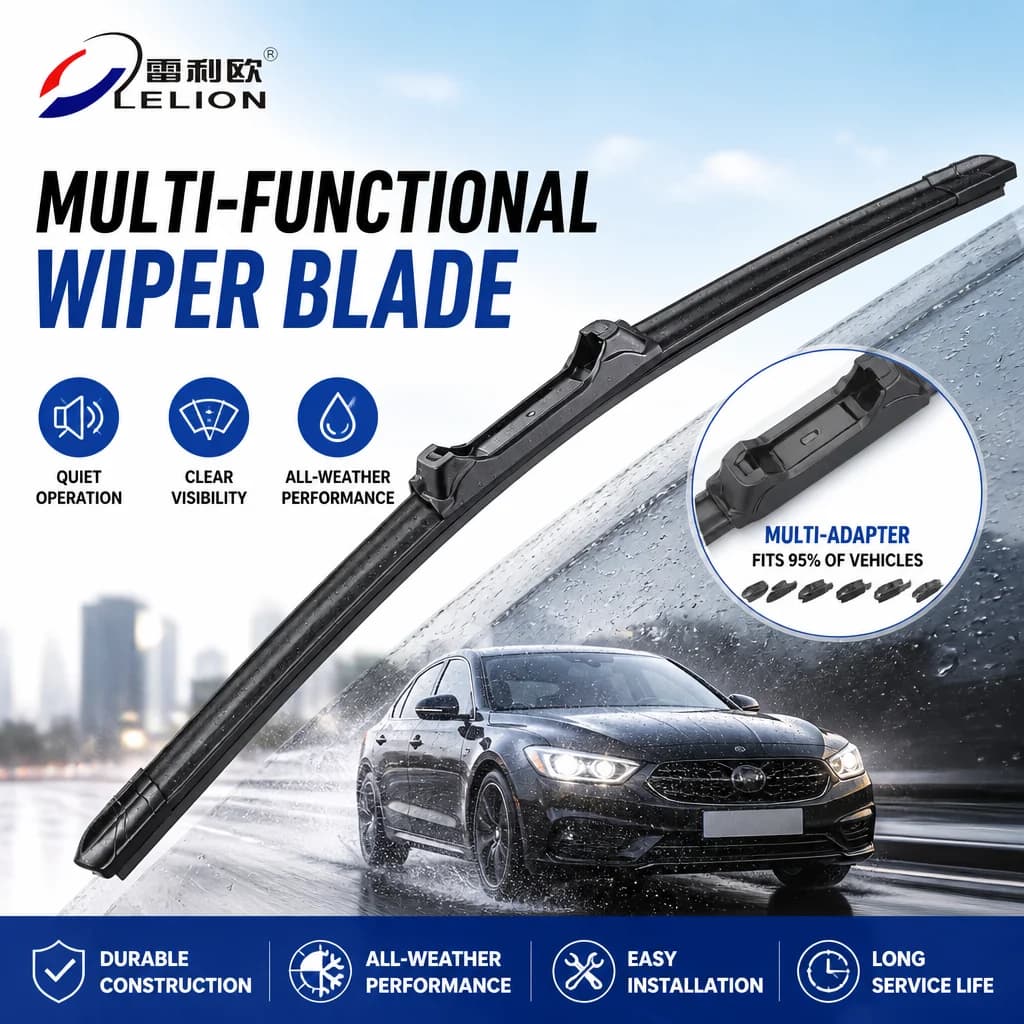
Browse our complete wiper blade catalog or contact our export team for bulk pricing.
Inquire Now